Key takeaways
- Insulated doors have a foam core that adds strength and quiet.
- They help most in attached, heated or cooled and workshop garages.
- Single-layer doors are lighter and simpler and suit unheated detached garages.
- Seals and the rest of the garage also affect comfort.
How insulated doors are built
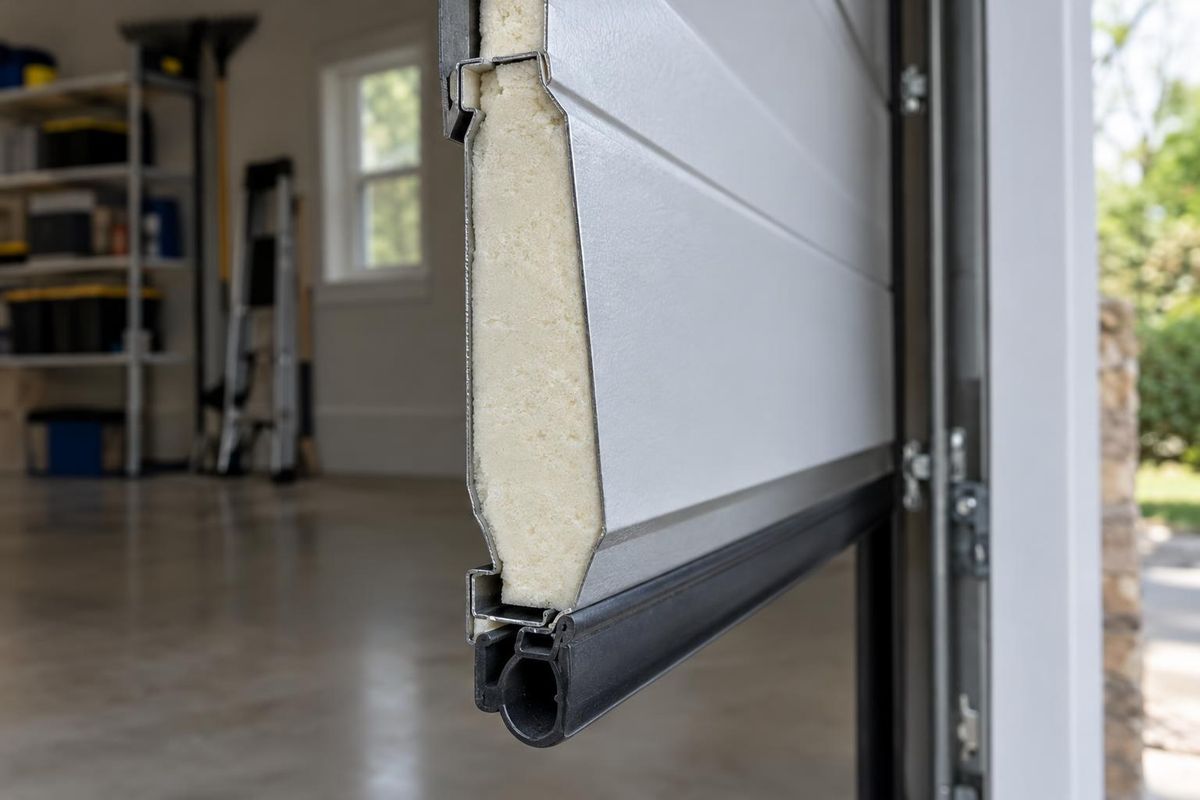
An insulated door has a layer of polyurethane or polystyrene foam, either bonded between two steel skins or fitted inside a single skin. The foam stiffens the door, dampens noise and slows heat flow.
Thicker, denser foam does more, and bonded polyurethane is generally the sturdiest.
What non-insulated doors offer
A single-layer steel door is lighter, simpler and well suited to unheated storage. It rattles more and dents more easily, and it does little to hold temperature.
For a detached shed-style garage that is only used for storage, it can be a practical choice.
When insulation is worth it
Choose insulation when the garage is attached to the house, when you spend time in it as a workshop or gym, when a bedroom or office sits above it or when noise bothers you.
Remember that seals, windows and the garage walls and ceiling all matter as well.
Other ways to improve comfort
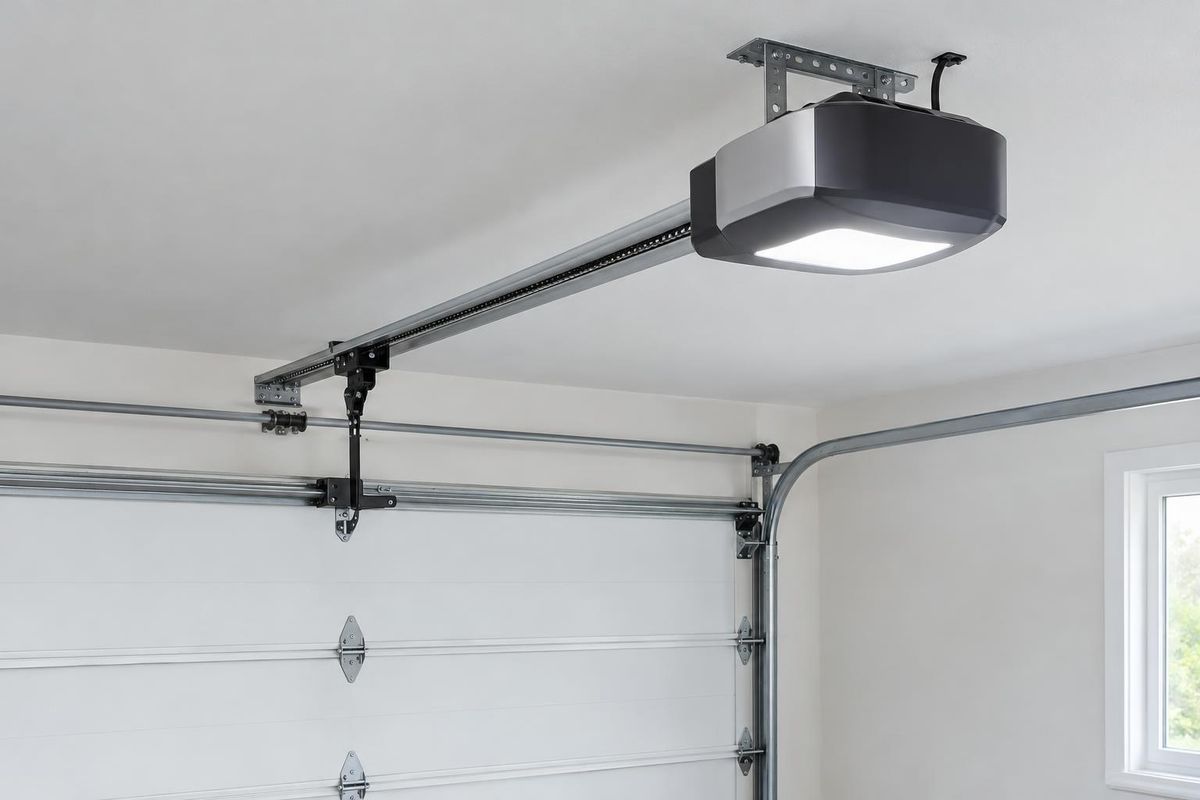
Fresh weather seals close gaps around the door. An insulation kit can upgrade a sound, uninsulated door. A belt-drive opener makes the door quieter.
Talk through your goals and we can suggest the simplest combination.
Quick answers
Does insulation save energy?
It can help hold temperatures in a garage that is heated or cooled.
Is an insulated door heavier?
Slightly. The springs and opener should match the weight.
Can I insulate a door I already own?
Often yes with a kit, if the door is sound.