Key takeaways
- A few minutes a month can catch problems early.
- Test balance, auto-reverse and the safety sensors.
- Look and listen for changes in movement and noise.
- Never touch springs, cables or brackets under tension.
Look and listen
Open and close the door a couple of times and watch it. It should move smoothly and evenly. Listen for new squeaks, grinding or popping. Look at the rollers, hinges and tracks for wear, rust or loose bolts.
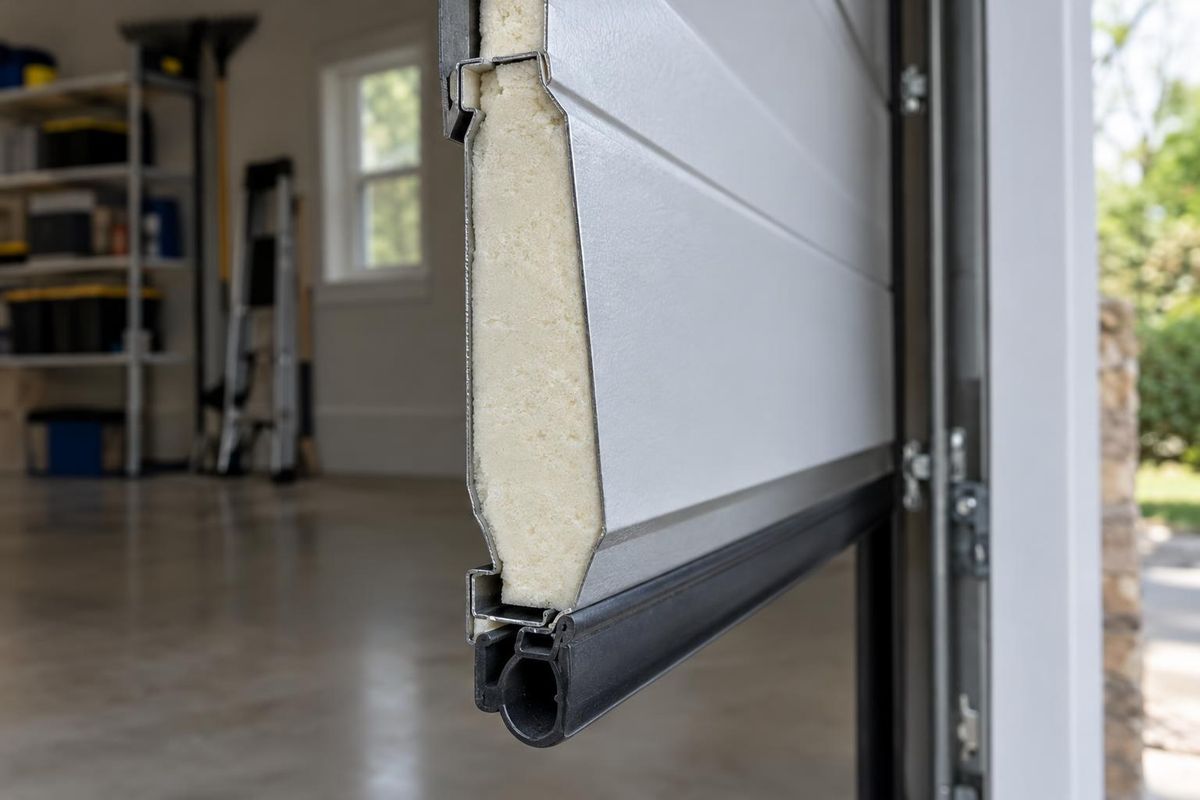
Check the weather seal along the bottom for cracks and gaps.
Test the balance
Disconnect the opener with the red release cord while the door is closed. Lift the door by hand to about waist height and let go. A balanced door stays put. If it drops or rises, the springs need adjustment by a professional.
Reconnect the opener afterwards.
Test the safety features
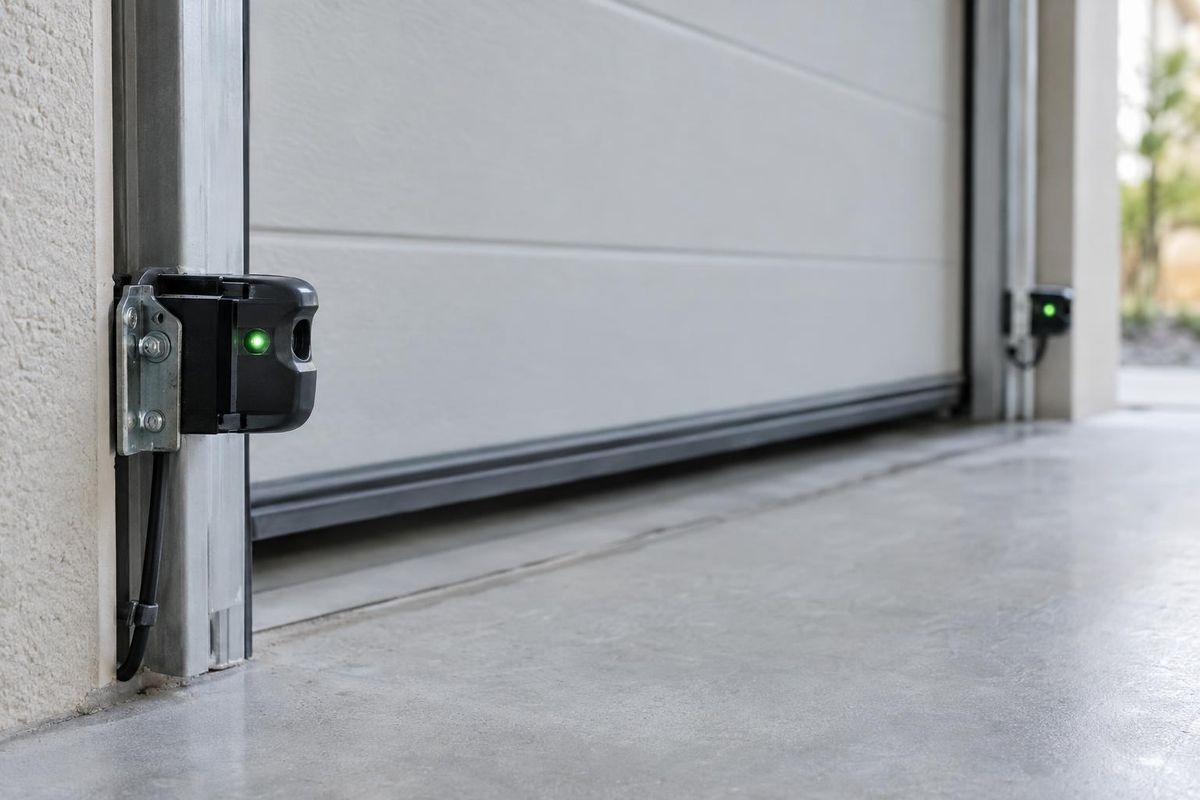
With the door open, wave an object through the sensor beam while closing. The door should stop and reverse. Place a roll of paper towels on the floor under the door too. When the door touches it, the door should reverse.
If either test fails, stop using the opener and call for service.
Clean and lubricate
Wipe the tracks and the sensor lenses. Lubricate hinges, rollers and bearings with a garage door lubricant. Do not grease the tracks, and never spray springs or touch cables and brackets.
Write the date down so you know when to repeat.
Quick answers
How often should I do this check?
Monthly is ideal.
What if the door fails the reversal test?
Do not use the opener. Call us to adjust or repair it.
Can I lubricate the springs?
Leave springs to a professional. Lubricate hinges, rollers and bearings.