Key takeaways
- Most failures give warning first.
- Noises, shaking, slow movement and uneven travel are common signs.
- Frayed cables, gaps in springs and sagging sections need prompt attention.
- Springs and cables are dangerous to handle, so call a professional.
What you hear
Grinding, squealing, popping and banging each point to something specific, from dry rollers and loose hardware to worn springs and a failing opener. A new noise is worth investigating.
A loud bang followed by a door that will not lift usually means a broken spring.
What you see
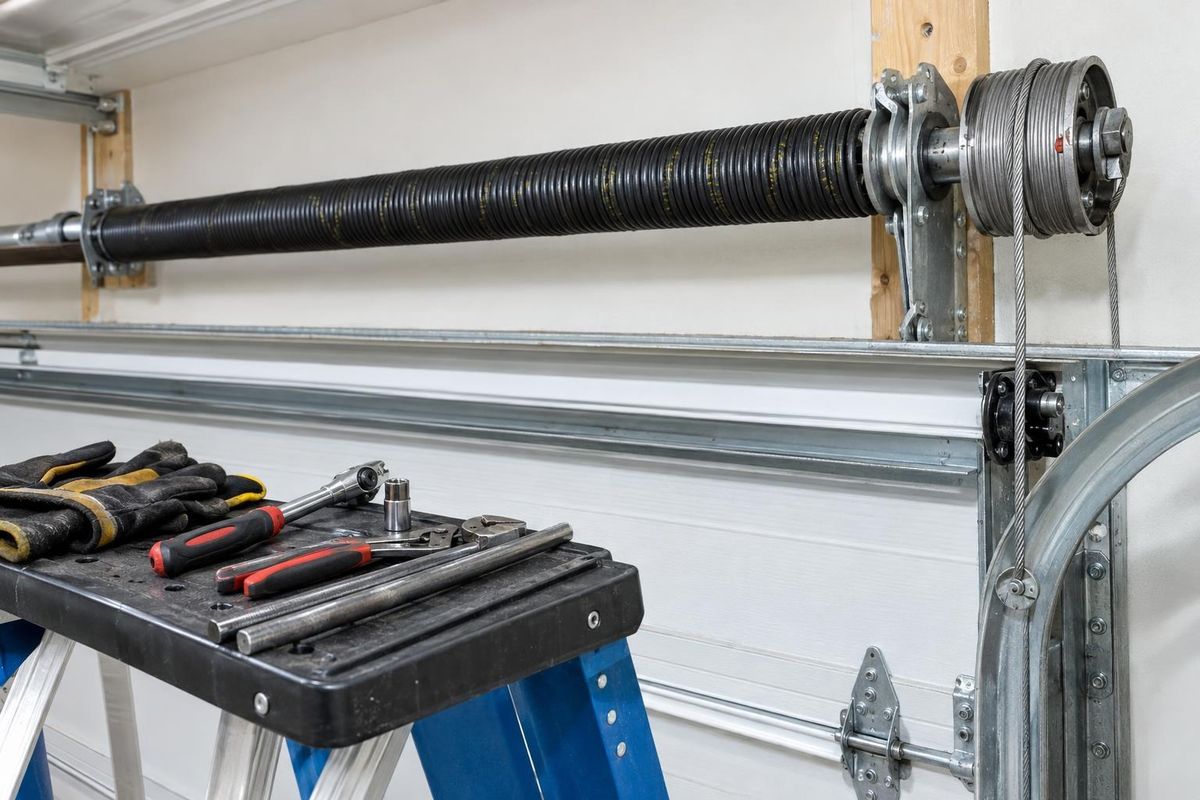
Watch the door as it moves. Crooked travel, a sagging section, a gap between the rollers and the track, frayed cable strands or a visible gap in a spring all signal trouble.
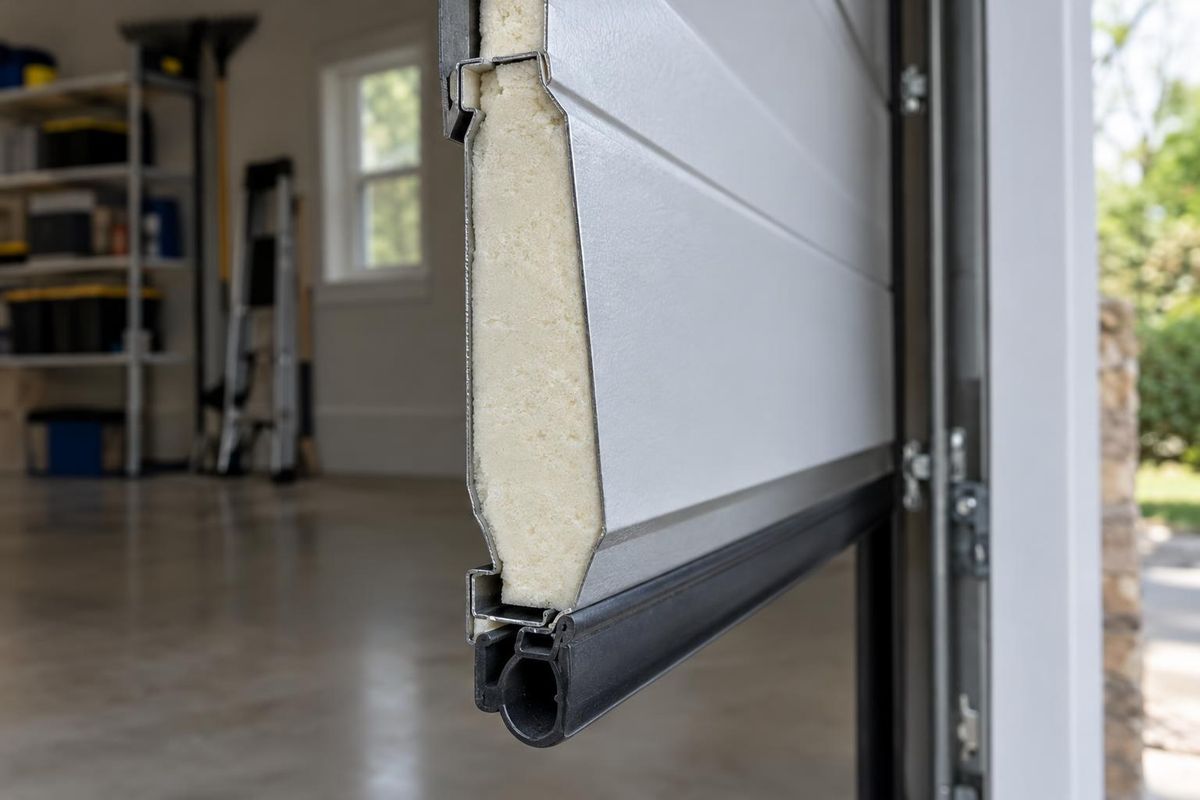
Look at the seals and panels too, because cracks and dents can worsen.
What you feel
A door that feels heavy by hand, that will not stay halfway up or that shakes the wall points to balance problems. A door that is slow, hesitates or reverses is also telling you something.
Never ignore a door that is hard to lift.
What to do next
Stop using a door that is clearly damaged, keep people and pets clear and call a professional. Do not try to repair springs, cables or the bottom brackets yourself, because they are under tension.
A quick inspection often finds the cause.
Quick answers
Is a noisy door always a problem?
Not always, but a new or worsening noise is worth checking.
Can I use a door with a frayed cable?
It is risky because the cable can snap. Please have it replaced.
How often should I check my door?
A quick look and listen each month helps you spot changes.